Hollybush Quarry

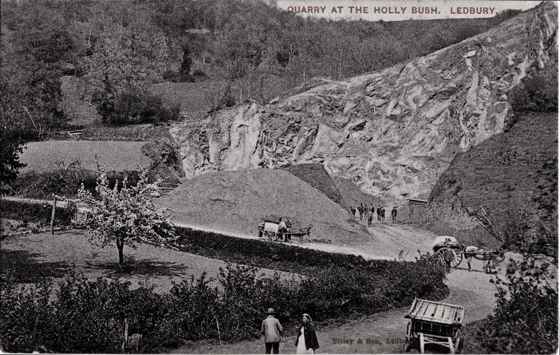
The Entrance to Hollybush Quarry about 1910?
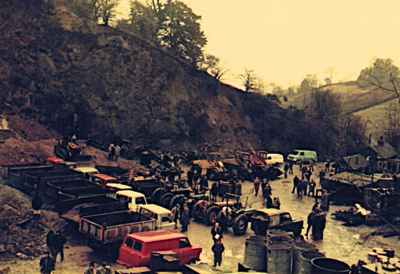
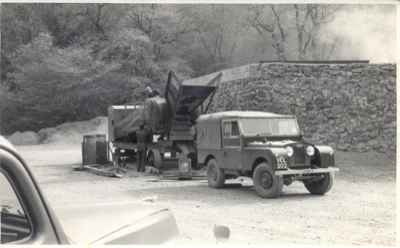
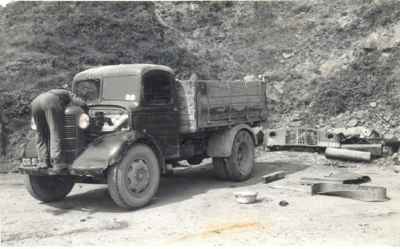
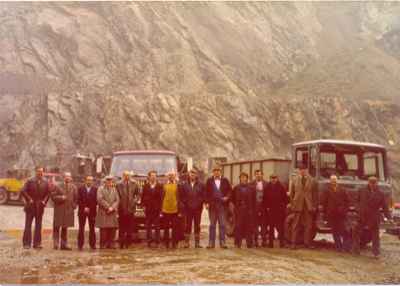
Like many quarries along the Malverns, Hollybush was worked for its hard, durable stone, well suited for building, foundations and road construction. Although never on the scale of Gullet or Tank Quarry, Hollybush played a steady and valuable role in supporting rural industry throughout the 19th and early 20th centuries. Carts once carried stone through the village and across the Castlemorton Common area.
Hollybush stone was also used in the construction of the M50 motorway. The need to extract and transport large quantities of material was a major incentive to turnpike and improve the A438. Owned by the Eastnor Castle Estate, the quarry was leased over the years to a number of different managers. Its stone was used to build Hollybush Church and several local houses, helping shape the character of the surrounding community.
A freshwater spring emerges at the bottom of the quarry, which required continual pumping as the workings were driven deeper. The quarry operated in two sections: Slashers Quarry to the west and Hollybush Quarry to the east.
Quarrying eventually ceased when the cost of pumping became uneconomic. By that time, extraction had already altered the profile of the hillside, but was in danger of changing the silhouette of the southern Malvern Ridge.